There’s something magical about Mizu Yokan that always takes me back to my first summer in Kyoto. The heat was unbearable, but one bite of this chilled red bean jelly—cool, subtly sweet, with those delightful chestnut surprises—made everything better. That’s the beauty of this traditional Japanese dessert: simple ingredients transformed into something refreshing and elegant.
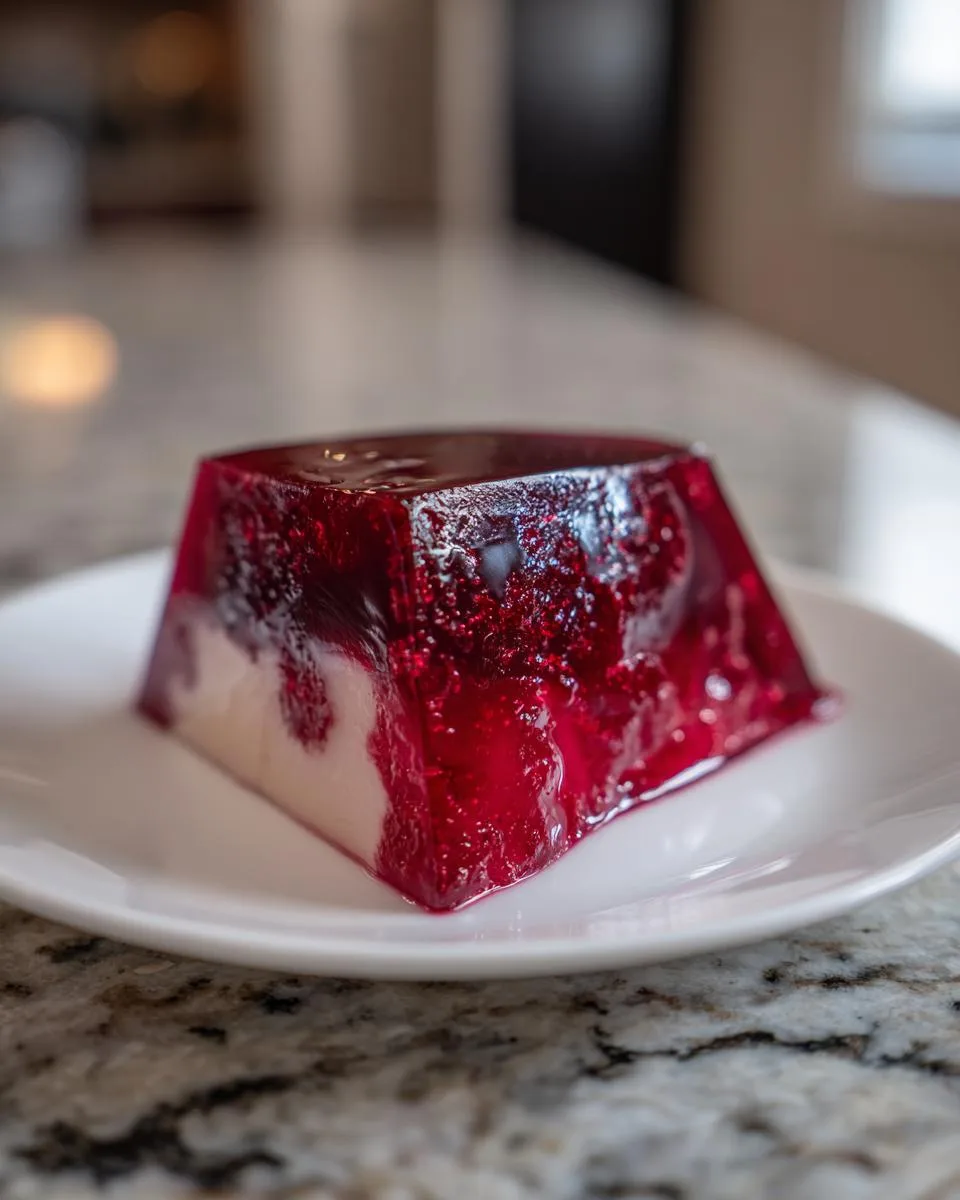
Table of Contents
Table of Contents
My neighbor, Mrs. Tanaka, taught me this recipe after catching me fanning myself on her porch. “Too hot for American cakes, no?” she chuckled, pressing a square of Mizu Yokan into my hand. The way the jelly melted just slightly on my tongue, the earthy sweetness of the anko balancing the agar’s clean finish—I was hooked. Now I make it every summer, just like she showed me, using her little nagashikan mold that she gifted me before I moved back home.
What makes Mizu Yokan special isn’t just its taste. It’s how this dessert embodies Japanese shibui—that perfect balance of simplicity and depth. Unlike Western jellies, the agar gives it a satisfying firmness that holds beautiful layers, while the red bean paste (anko) offers richness without heaviness. And those glossy chestnuts? Pure edible jewelry. Whether you’re new to Japanese sweets or grew up with them like I did after marrying into a Japanese-American family, this recipe brings a taste of tradition to any table.
The best part? It’s easier than you think—just agar, anko, and a little patience while it sets. Even my grandkids can help arrange the chestnuts (though half usually disappear into their mouths first). Let me show you how to make this cooling treat that’s been soothing Japanese summers for centuries—with all the little tips Mrs. Tanaka swore by.
Why You’ll Love This Mizu Yokan Recipe
This isn’t just any jelly dessert—it’s a little square of Japanese summer magic. Here’s why it’ll become your new favorite:
- Refreshingly cool: That melt-in-your-mouth jelly texture is pure relief on hot days (trust me, I’ve eaten enough to know)
- Easier than it looks: Only 5 ingredients and no fancy techniques—just stir, pour, and chill
- Balanced sweetness: The anko isn’t cloying like Western jellies, with earthy depth from the chestnuts
- Naturally vegetarian: Agar powder makes it plant-friendly while giving that perfect firm bite
- Looks fancy: Those layered chestnuts make people think you slaved for hours (we’ll keep our secret)
Mrs. Tanaka always said Mizu Yokan tastes like patience—minimal effort for maximum reward. One bite and you’ll agree.
Mizu Yokan Ingredients List
Gathering ingredients for Mizu Yokan feels like a treasure hunt—simple items that transform into something extraordinary. Here’s what you’ll need (and why each one matters):
- 14 oz sweet red bean paste (anko): This is the heart of the dish. I prefer smooth anko for this recipe, but chunky works too if you like texture. Pro tip: If your anko is super thick, warm it slightly before mixing—it’ll blend smoother.
- 4 g kanten (agar) powder: That’s about 1¼ tsp if your scale isn’t precise. Agar behaves differently than gelatin—it sets firmer and works at room temp! Don’t substitute unless absolutely necessary (see FAQ).
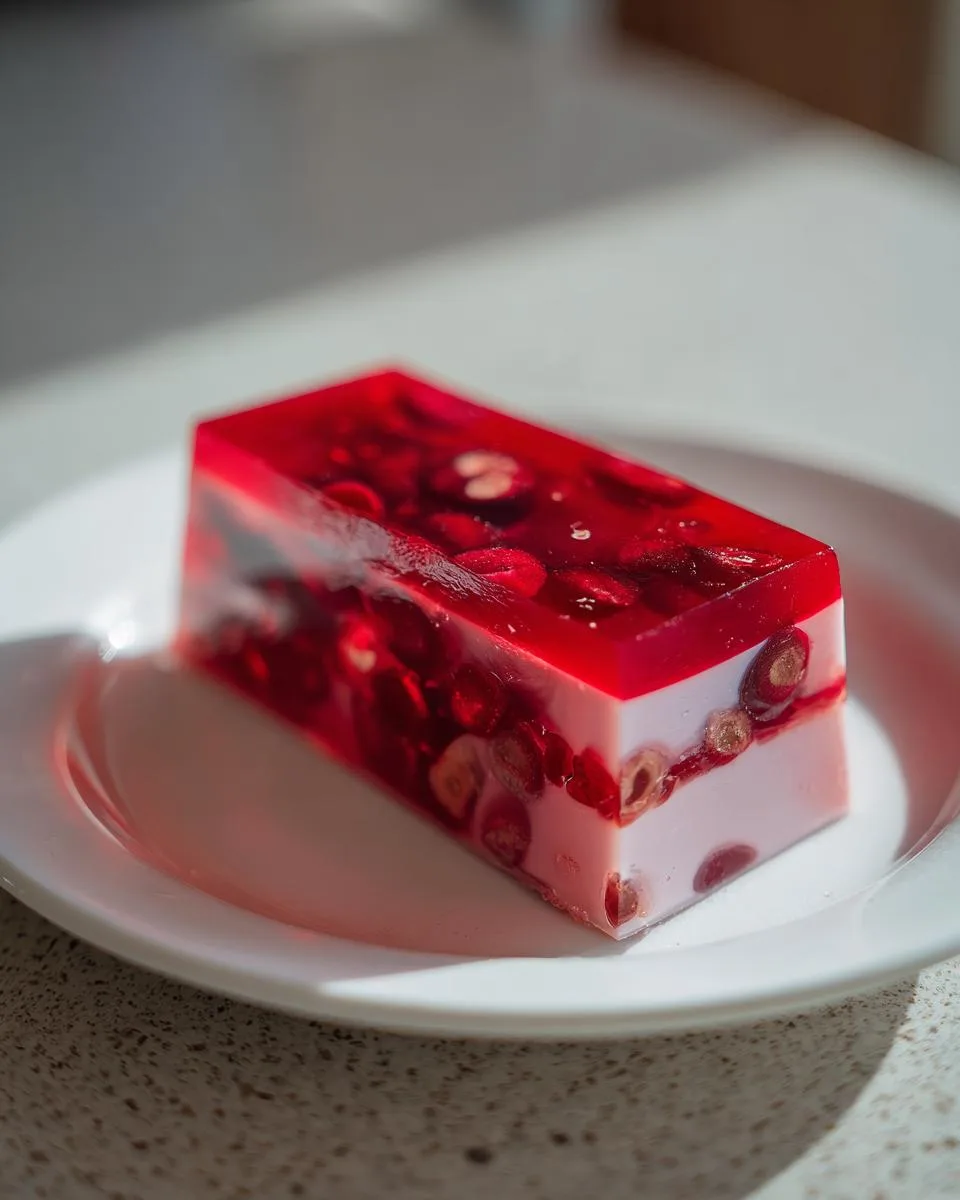
- 1 jar kuri kanroni (chestnuts in heavy syrup): The 7 oz (200 g) jars are perfect. Drain them but save that syrup—it makes amazing iced tea or pancake topping!
- 1½ cups water: Filtered tastes best since we’re not boiling it down. Mrs. Tanaka swore cold water helps the agar dissolve evenly.
Optional upgrades:
- Homemade anko (soak azuki beans overnight, simmer with sugar)—you control the sweetness
- Drop of vanilla extract in the agar mix for fragrance
- Matcha powder dusted between layers if you’re feeling fancy
See? Nothing weird—just pantry staples with Japanese flair. Now let’s make some magic!
How to Make Mizu Yokan Step-by-Step
Don’t let the elegant layers fool you—making Mizu Yokan is as relaxing as a summer breeze. Follow these steps exactly like Mrs. Tanaka taught me, and you’ll have perfect jelly squares every time.
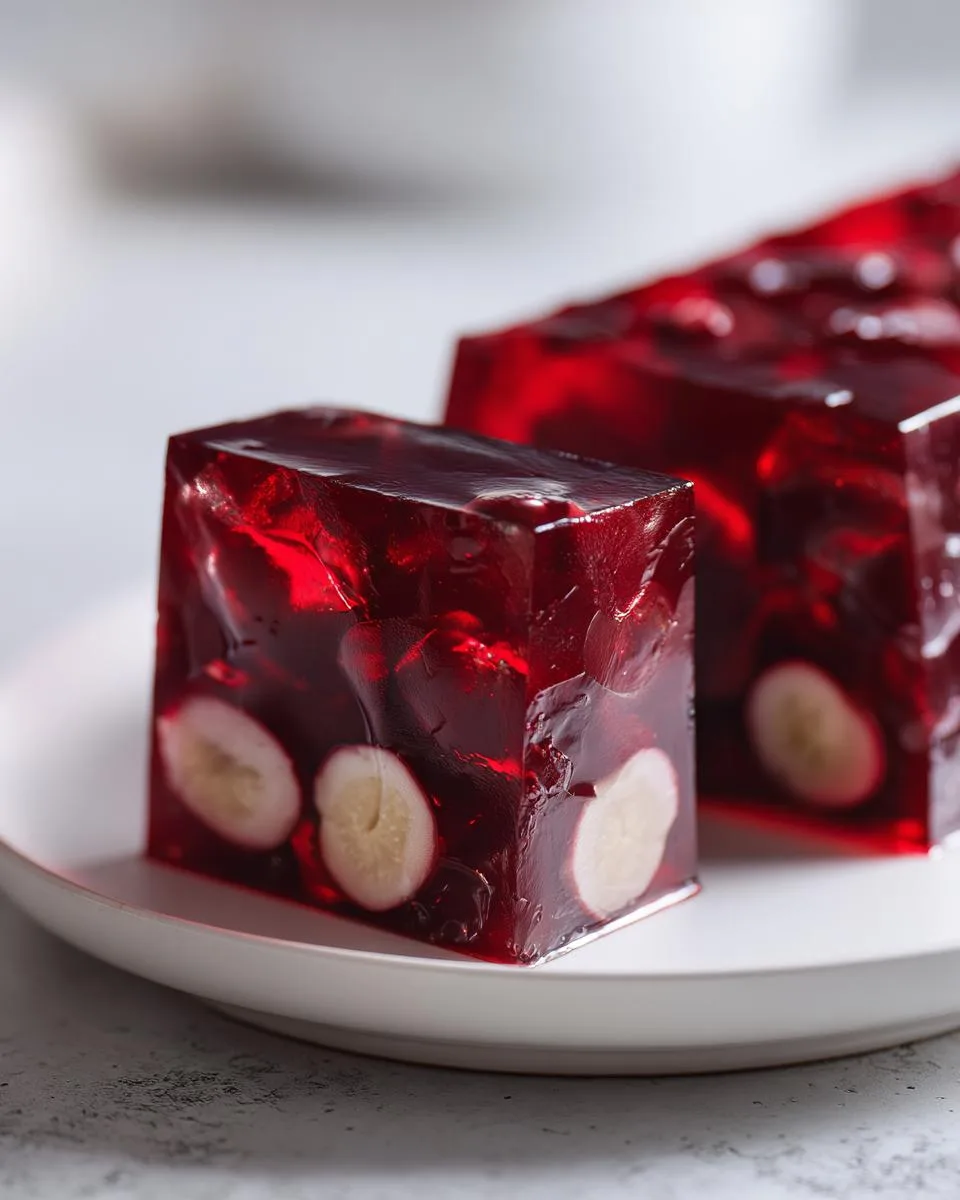
- Prep your mold: If you’re not using a traditional nagashikan, line your container with plastic wrap, letting it hang over the edges. Trust me, this makes removal SO much easier later. My favorite trick? Spritz the mold lightly with water before pressing in the wrap—it clings perfectly.
- Wake up the agar: Whisk together water and agar powder in a saucepan until it looks like slightly cloudy water. Here’s where Mrs. Tanaka would wag her finger—don’t skip the whisking! Agar clumps if not evenly distributed. Bring to a rolling boil over medium heat.
- Dissolve completely: Reduce heat to low and simmer for 2 full minutes, stirring occasionally. The mixture should become clear with tiny bubbles. This step is crucial—undissolved agar means grainy jelly. Test by rubbing a drop between your fingers; it should feel completely smooth.
- Incorporate the anko: Add red bean paste all at once and stir vigorously with a wooden spoon (metal conducts too much heat). The mixture will look separated at first—keep stirring until it becomes a uniform mocha color, about 3 minutes. No streaks allowed!
- Season and cool: Mix in salt, then remove from heat. Let it sit until steam stops rising, about 5 minutes. Too hot, and it’ll melt your first layer; too cool, and it starts setting prematurely. You want it just warm enough to pour smoothly.
- First layer magic: Pour in just enough mixture to cover the bottom (about ¼ inch). Tap the mold gently on the counter to release bubbles. Let it set for 10 minutes—the surface should feel firm but slightly tacky. This base layer catches all those beautiful chestnuts.
- Arrange chestnuts: Place drained chestnuts in a single layer, flat side down. Space them evenly so each slice gets gems. Pro tip: Use chopsticks to nudge them into perfect position without fingerprints!
- Top it off: Slowly pour remaining mixture over the chestnuts. If any float, gently poke them down with a skewer. Let cool at room temp for 15 minutes—this prevents condensation in the fridge.
- The chill factor: Refrigerate uncovered for at least 2 hours until firm. I know it’s tempting to peek, but patience rewards you with clean slices. When ready, lift out using the plastic wrap overhang or run a thin knife around the edges.
- Slice with style: Dip your knife in hot water and wipe between cuts for pristine edges. Traditional squares are about 1½ inches—perfect for two polite bites or one happy gobble!
See? Each step is simple, but together they create something extraordinary. Now resist eating it straight from the mold… if you can!
Print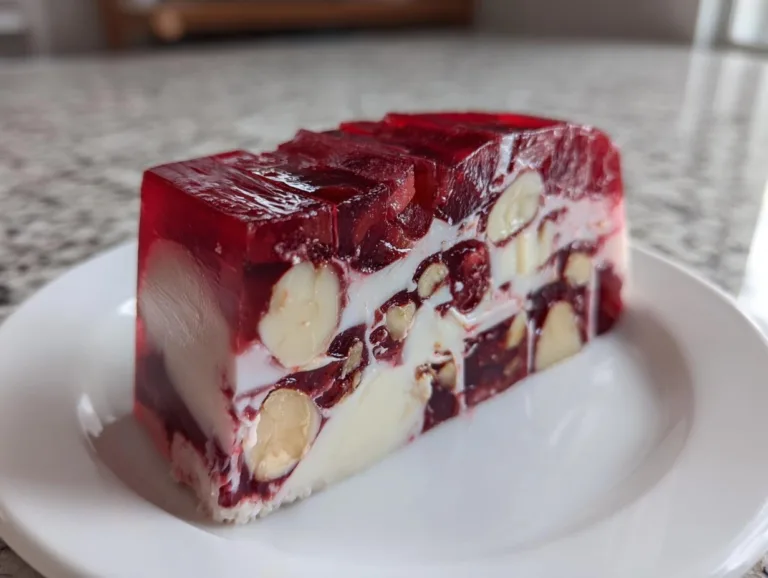
Mizu Yokan: 5-Secret Japanese Red Bean Jelly Bliss
A traditional Japanese dessert made with sweet red bean paste and agar, layered with chestnuts for a refreshing treat.
- Total Time: 2 hours 30 minutes
- Yield: 12 servings 1x
Ingredients
- 14 oz sweet red bean paste (anko)
- 1½ cups water
- 4 g kanten (agar) powder
- ⅛ tsp Diamond Crystal kosher salt
- 1 jar kuri kanroni (chestnuts in heavy syrup) (7 oz, 200 g)
Instructions
- Gather all ingredients. Line mold with plastic wrap if not using a nagashikan.
- Whisk water and agar powder in a saucepan. Bring to a boil.
- Reduce heat and dissolve agar completely, about 2 minutes.
- Add red bean paste and stir until dissolved.
- Mix in salt and remove from heat. Let cool slightly.
- Pour a thin layer into the mold and let set for 10 minutes.
- Arrange chestnuts evenly on the set layer.
- Pour remaining mixture over chestnuts. Let cool for 15 minutes.
- Refrigerate for 2 hours until fully chilled.
- Cut into slices and serve chilled.
Notes
- Adjust sweetness based on the anko brand.
- Use homemade anko for better control over sweetness.
- Store leftovers in the fridge for up to 3 days.
- Prep Time: 20 minutes
- Cook Time: 10 minutes
- Category: Dessert
- Method: Chilled
- Cuisine: Japanese
- Diet: Vegetarian
Nutrition
- Serving Size: 1 slice
- Calories: 120
- Sugar: 15g
- Sodium: 50mg
- Fat: 0.5g
- Saturated Fat: 0g
- Unsaturated Fat: 0g
- Trans Fat: 0g
- Carbohydrates: 25g
- Fiber: 2g
- Protein: 2g
- Cholesterol: 0mg
Tips for Perfect Mizu Yokan
After making this recipe dozens of times (and yes, a few hilarious failures), here are my hard-won secrets for Mizu Yokan that would make Mrs. Tanaka nod in approval:
- Sweetness control: Different anko brands vary wildly in sugar content. Taste yours before mixing—if it’s cloying, reduce by 1-2 oz and add 1 tbsp water to compensate.
- Agar assurance: That 2-minute simmer isn’t a suggestion! Undissolved agar leaves jelly with the texture of wet sand. Swirl the pan as it cooks—you shouldn’t see any granules clinging to the sides.
- Plastic wrap pro-tip: For clean edges, press the wrap into your mold’s corners with the back of a spoon. Damp fingers help smooth out wrinkles without tearing.
- Temperature matters: Pouring layers too hot melts the base; too cold and they won’t bond. Test by dripping a bit on your wrist—it should feel warm like bathwater, not hot.
- Chestnut placement: Arrange them slightly closer than you think—they’ll drift apart as you pour the top layer. Chopsticks are your precision tools here!
The biggest pitfall? Impatience. Let each layer set properly, and you’ll be rewarded with jewel-like slices that hold their shape perfectly.
Mizu Yokan Variations
Once you’ve mastered the classic version, try these fun twists that keep the spirit of Mizu Yokan while adding your own flair. Mrs. Tanaka would wink and say “Very creative!” to these ideas:
- Matcha magic: Whisk 1 tsp high-quality matcha powder into the water before adding agar for an earthy green layer. Pour half the plain mixture first, let set, then do a matcha layer—stunning contrast!
- Fruit infusion: Replace ¼ cup water with unsweetened cherry blossom tea or yuzu juice for a floral/citrus twist. Strain well to keep the jelly clear.
- Chestnut-free: Not a chestnut fan? Substitute with:
- Candied citrus peel (thinly sliced)
- Toasted black sesame seeds sprinkled between layers
- Diced ripe mango for tropical vibes
- Adult version: Stir 1 tbsp sake or umeshu plum wine into the cooled mixture before pouring for special occasions. The alcohol prevents it from setting too firm—delightfully wobbly!
- Mini molds: Use silicone ice cube trays for bite-sized portions perfect for parties. Set time reduces to just 30 minutes in the fridge.
The beauty of Mizu Yokan is its adaptability—as long as you keep that perfect agar-to-liquid ratio, the flavor combinations are endless. What will your signature version be? If you want to see more Japanese-inspired sweets, check out my Japanese Coffee Jelly Recipe!
Here’s the HTML content for the Serving and Storing Mizu Yokan section:
Serving and Storing Mizu Yokan
The first time I served Mizu Yokan to my book club, they gasped—”You MADE this?” Those perfect jewel-like slices make any occasion feel special. Here’s how to showcase (and keep!) your masterpiece:
Chilled perfection
Serve straight from the fridge on small ceramic plates—the contrast of cool dish to cool jelly is divine. I use my grandmother’s hexagonal plates because the angles play nicely with the squares. Portion sizes:
- Tea ceremony style: 1-inch cubes (about 4 per person)
- Dessert plates: 2×3-inch rectangles (2 pieces per serving)
- Party bites: Cut into thin dominoes and spear with decorative toothpicks
Presentation pro-tips
Mrs. Tanaka taught me these little touches that make all the difference:
- Wipe knife between cuts with a damp cloth for crystal-clear edges
- Arrange slices slightly overlapping like fallen leaves
- Garnish with a single chestnut half or mint sprig—but never both!
Keeping it fresh
Store leftovers (if you have any!) in an airtight container with these guidelines:
- Refrigerator: Up to 3 days—the agar actually improves in texture overnight!
- Counter: Only while serving (max 2 hours)—heat makes it weep
- Freezing: Not recommended—the texture turns rubbery upon thawing
Pro tip: Place parchment between layers if stacking. That glossy surface sticks to everything—including your fingers when you sneak midnight bites! If you enjoy simple, elegant desserts, you might also like my Miso Millionaire Bars Recipe.
Mizu Yokan Nutritional Information
Now, I’m no dietitian—just a grandma who knows good food—but here’s the scoop on what’s in each delightful square of Mizu Yokan. These are estimates based on my usual ingredients (your exact numbers might dance a little depending on your anko brand):
- Calories: About 120 per 1½-inch slice—light enough for seconds!
- Sugar: 15g (mostly from the natural sweetness of red beans and chestnut syrup)
- Protein: 2g (thank you, fiber-packed azuki beans!)
- Fat: Less than 1g—it practically winks at your waistline
- Sodium: Just 50mg (that tiny pinch of salt does its job without overdoing it)
What I love about this dessert is how it satisfies sweet cravings without that heavy “I ate too much sugar” feeling afterward. The chestnuts add minerals like manganese, and agar gives you a gut-friendly fiber boost. Mrs. Tanaka always said it was “medicine wrapped in pleasure”—now that’s my kind of prescription! For more healthy dessert ideas, check out all my recipes.
Remember, these numbers assume you’re using the exact ingredients listed. If you swap in homemade anko or different chestnuts, your mileage may vary. But honestly? When something tastes this good and feels this light, I stop counting and start savoring.
Frequently Asked Questions About Mizu Yokan
Over the years, I’ve fielded every possible question about Mizu Yokan—from panicked texts (“It’s not setting!”) to curious nibblers (“What IS this magic?”). Here are the answers to what folks ask most:
Can I use gelatin instead of agar?
Oh honey, I tried this once—disaster! Agar sets firmer at room temperature and gives that clean, refreshing bite Mizu Yokan is famous for. Gelatin makes it wobbly like Jell-O and melts faster. If you must substitute, use 1 tbsp gelatin powder and chill twice as long. But trust me—order the agar online (it keeps forever!) for authentic texture.
How do I adjust the sweetness?
This depends entirely on your anko brand. Some are cloyingly sweet, others pleasantly earthy. My trick? Mix 1 tsp of the paste with 1 tsp warm water and taste. Too sweet? Reduce the anko by 2 oz and add 2 tbsp extra water to the recipe. Not sweet enough? Stir in 1 tbsp sugar when dissolving the agar.
Is Mizu Yokan vegan?
Usually yes! Traditional recipes like ours use plant-based agar and no animal products. Just double-check your specific anko brand—some commercial ones sneak in dairy. When in doubt, homemade anko (just azuki beans, sugar, water) guarantees it’s plant-based.
Why did my top layer separate from the bottom?
Ah, the great layer rebellion! This happens when the first layer sets too hard before adding the second. Next time, wait until the base is just firm enough to hold chestnuts (about 8-10 minutes)—it should still feel slightly tacky. And pour the top layer while it’s still warm (test your wrist like checking baby’s milk).
Can I make this ahead for a party?
Absolutely! Mizu Yokan actually tastes better after 24 hours in the fridge—the flavors marry beautifully. Make it up to 3 days ahead, but wait to slice until serving day for those pristine edges. Cover tightly with plastic wrap pressed directly on the surface to prevent drying.
Still puzzled? Drop your question in the comments—I check them every afternoon with my tea (and probably a slice of Yokan)!
Share Your Mizu Yokan Experience
Nothing makes me happier than hearing your Mizu Yokan stories—the triumphs, the kitchen mishaps turned into happy accidents, and especially those “My family devoured this!” moments. Mrs. Tanaka used to say every batch carries the maker’s spirit, and I love seeing how this recipe takes on new life in your kitchens.
Did your chestnuts drift into funny patterns? Did your toddler “help” arrange them into a smiley face? (Mine once made a heart—then ate half the pieces before I could pour the top layer!) Maybe you tried that matcha variation or discovered the perfect anko brand. However it turned out, I want to hear about it!
Snap a photo of your masterpiece—or even the “rustic” slices that taste better than they look. Tag it #GrandmaJosYokan so I can cheer you on. And if you have a question I didn’t cover? Ask away! I’m always here with a virtual cup of hojicha and more tips than you can shake a chopstick at.
Most importantly—did this recipe bring you a moment of cool sweetness, just like that first bite did for me on Mrs. Tanaka’s porch all those years ago? That’s the real magic worth sharing.
For More recipes, Follow me on Facebook!